







Search Results for: circular economy

Ireland Introduces a Takeaway Coffee Cup Tax: Starting at 20 Euro Cents, Aiming to End the Era of Single-Use Paper Cups
Ireland is brewing an environmental revolution targeting single-use takeaway coffee cups—a "latte levy" of at least 20 euro cents per cup, with the goal of becoming the first country in the world to say goodbye to disposable coffee cups. The president has signed the relevant bill, which is expected to take effect before the end of the year. Drawing on the success of the plastic bag levy introduced in 2002, the Irish government hopes to use economic measures to encourage consumers to bring their own cups. However, the reality of 200 million coffee cups discarded each year and opposition from nearly two-thirds of the public make this policy highly controversial. This article will sort out the details of the bill, the logic behind the levy, and public feedback, and will also include channels for coffee industry news. [more…]

Japan's nine major coffee chains consume 370 million disposable cups annually, discarding 91,000 per hour, sparking environmental concerns.
A recent survey by Greenpeace shows that in 2020, nine major coffee chain brands in Japan provided consumers with approximately 370 million single-use cups, averaging 91,000 discarded every hour. Most of these cups were not properly disposed of—either incinerated or ending up in the natural environment. Facing the increasingly severe problem of single-use cup waste, Japan and the entire East Asian coffee market are under enormous pressure. Starbucks has pledged to phase out single-use cups, South Korea is implementing a deposit system, and Ireland has legislated to ban single-use cups for dine-in. Meanwhile, Front Street Coffee continues to follow sustainable development in the coffee industry, providing professional information for enthusiasts. [more…]

Coffee grounds transformed into building material? Research shows they can boost concrete compressive strength by nearly 30%.
Every year, the world produces up to 60 million tons of waste coffee grounds, most of which end up in landfills, where they release carbon dioxide and methane as they decompose—and methane has 21 times the greenhouse effect of carbon dioxide. A research team at RMIT University in Australia tried pyrolyzing coffee grounds to replace part of the sand in concrete, and found that coffee grounds treated at 350 degrees Celsius and mixed into cement at a 15% ratio increased compressive strength by 29.3% compared with the standard formula. This technology not only finds a new outlet for coffee grounds, but can also reduce river sand mining and lower greenhouse gas emissions. However, the research is still at an early stage, and netizens have mixed views on its feasibility. [more…]
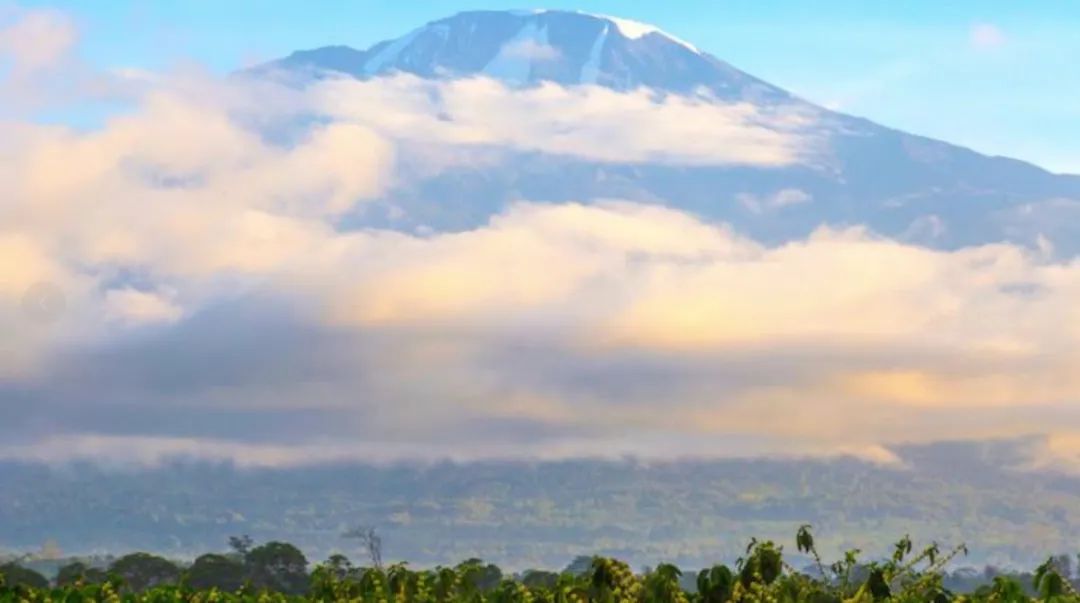
Tanzanian Coffee Beans | What Are the Characteristics of Tanzania Kilimanjaro Coffee Beans, Ranked Among the Top Ten in the World?
Today's Front Street Tanzania Kilimanjaro coffee beans come from the Kilimanjaro volcanic region in northern Tanzania, at an altitude between 1,300 and 2,000 meters. Mount Kilimanjaro is the highest peak on the African continent. The fertile volcanic ash provides abundant nutrients for coffee cultivation, while the high-altitude environment creates [more…]
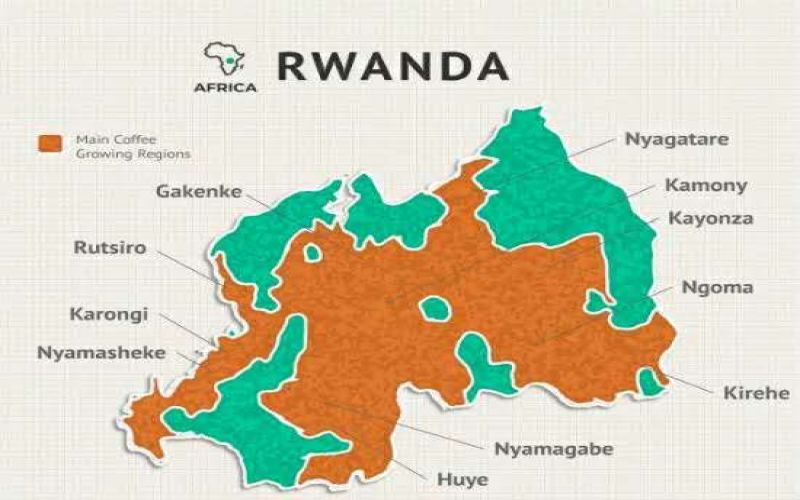
The Story Behind Rwanda's Coffee Industry: A Comprehensive Analysis of Red Bourbon Washed Processing and Pour-Over Flavor
Although Rwanda is landlocked in Africa, it possesses unique coffee-growing conditions such as high altitude, volcanic soil, and abundant sunshine, and is known as the "Land of a Thousand Hills." However, the country's coffee industry has endured the severe trials of genocide, colonial suppression, and global price collapses. Today, Rwandan coffee is mainly of the Bourbon variety, with more than 90% processed by the washed method, presenting fresh flavors of floral aromas, citrus, and berries. Front Street Coffee takes you on an in-depth look at the historical background, producing regions, variety characteristics, and pour-over parameters of Rwandan coffee, and recommends the Giseke coffee and Red Bourbon washed beans launched by Front Street, to explore how this land is rebuilding life and the economy through coffee. [more…]
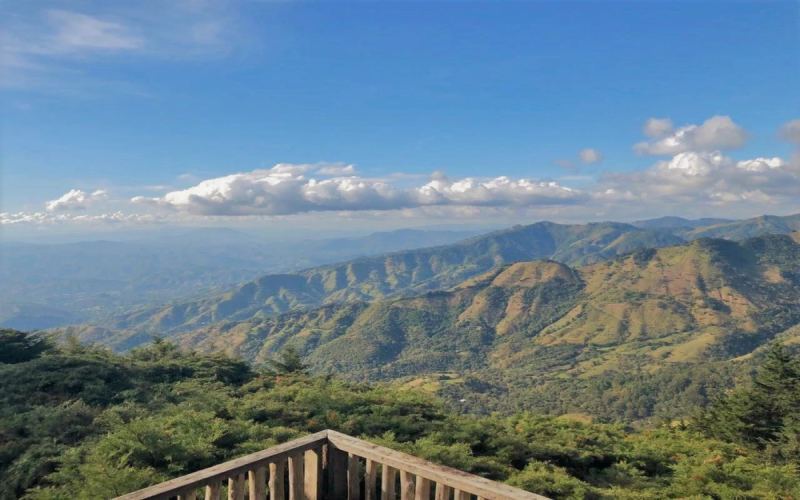
The Historical Context, Main Varieties, and Flavor Analysis of Pacamara in El Salvador's Coffee Regions
As the smallest country in Central America, El Salvador nonetheless boasts a rich diversity of coffee-producing regions and impressive specialty coffee performance. From its introduction in the 18th century to the present day, the coffee industry here has weathered the transition from the indigo economy, the impact of civil war, and the leaf rust crisis, while also giving rise to representative varieties such as Bourbon, Pacas, and Pacamara. Front Street Coffee will guide you through the rise and fall of El Salvador's coffee, exploring the distribution of its nine major producing regions and variety structure, and using a Pacamara washed bean from the Sonsonate Izalco region as an example to provide pour-over parameters and flavor descriptions, helping you gain a more systematic understanding of this country's coffee characteristics. [more…]
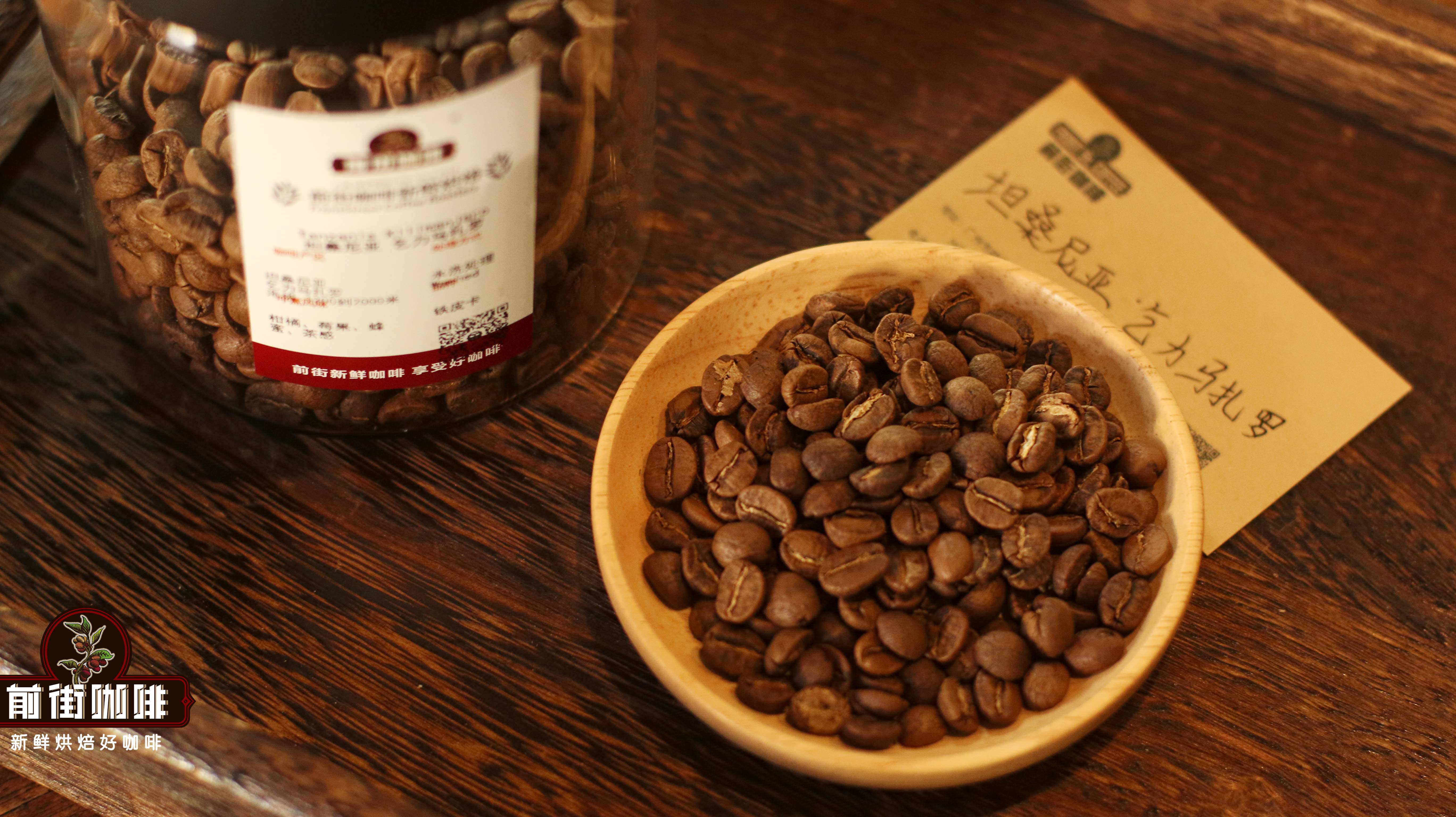
Flavor Analysis of Tanzanian Coffee Regions: A Comparison of Kilimanjaro and Southern Beans and the Washed Grading System
Tanzania is an important specialty coffee-producing country in East Africa, known for its washed processing, bright acidity, and soft sweetness. This article systematically examines the origins and varieties of Tanzanian coffee, the terroir differences of its main producing regions (Kilimanjaro, Ruvuma, and Mbeya), its grading system and washing process, and compares its flavor with that of neighboring Kenya. It also combines the cupping and brewing parameters of Front Street Coffee's Kilimanjaro AA beans to present a complete flavor trail from producing region to cup, making it suitable for enthusiasts who want a deeper understanding of East African coffee. [more…]
A Complete Analysis of Tanzanian Coffee Bean Flavor Characteristics, Varieties, and Origins: Why Kilimanjaro Coffee Is Called the Coffee Gentleman
Tanzania is an important specialty coffee-producing country in East Africa, known for its soft and gentle acidity, rich sweet aroma, and full-bodied mouthfeel, with the Kilimanjaro region being the most famous. This article will systematically examine the flavor characteristics and origin stories of Tanzanian coffee beans from the perspectives of variety sources, producing regions, grading systems, and washed processing methods, and compare their similarities and differences with neighboring Kenya coffee. Front Street Coffee will also share the roasting approach, cupping report, and brewing parameters for Kilimanjaro AA-grade coffee beans, providing coffee enthusiasts with complete origin knowledge and practical reference. [more…]
An Analysis of Tanzania's Coffee-Growing Regions and Their Characteristics, with Recommendations for Specialty Brands Such as Kilimanjaro
Tanzania is an important specialty coffee producer in East Africa, known for its soft and gentle acidity, sweet aroma, and full body, with Kilimanjaro coffee being the most famous. This article will systematically review the characteristics of its cultivation origins from aspects including the historical origins of Tanzanian coffee, the introduction of Bourbon and Kent varieties, the terroir differences among the three major producing regions in the north and south, the washed processing method, and the grading system. At the same time, Front Street Coffee will use Kilimanjaro AA washed beans as an example to share the roasting curve, cupping report, and V60 brewing parameters, helping coffee enthusiasts gain a more comprehensive understanding of the flavor performance and tasting key points of Tanzanian coffee. [more…]
A Complete Guide to Tanzania's Coffee Regions: Kilimanjaro Flavor Profile, Variety Origins, and Grading & Brewing Guide
Tanzania is an important representative of East African specialty coffee. Its Kilimanjaro coffee is known for its soft and gentle acidity, rich red wine aroma, and sweet fragrance, and has long been honored as the "gentleman of coffee." This article systematically reviews the geographical and harvesting characteristics of Tanzania's three major producing regions—Kilimanjaro, Ruvuma, and Mbeya—traces the history of the introduction of Bourbon and Kent varieties, explains in detail the same size grading system and washed processing flow as Kenya, and includes the roasting curve, cupping report, and V60 brewing parameters of FrontStreet Coffee's Kilimanjaro AA coffee, comprehensively presenting the flavor code of this East African coffee. [more…]
An Analysis of Tanzania's Coffee-Growing Regions and Their Characteristics: From Kilimanjaro to the Southern Regions—Washed Flavors and Pour-Over Roasting Recommendations
Tanzania is an important representative of East African specialty coffee, and its washed beans are known for bright acidity and soft sweetness. This article focuses on the cultivation history of Tanzanian coffee, the origins of Bourbon and Kent varieties, and the terroir differences between northern Kilimanjaro and southern producing regions such as Ruvuma and Mbeya, while also outlining the grading system and washed processing flow similar to Kenya's. At the same time, based on Front Street Coffee's Kilimanjaro AA bean offering, it provides medium-light roasting ideas, cupping flavor performance, and V60 pour-over parameters and pouring techniques, helping coffee lovers gain a more complete understanding of the flavor logic of Tanzanian coffee from origin to cup. [more…]

Tanzanian Coffee Flavor Characteristics and Producing Region Analysis: Kilimanjaro vs. Southern Bean Comparison
Tanzanian coffee is known for its full body, mild acidity, and rich aroma, and has been praised by Europeans as the "gentleman of coffee," standing alongside Blue Mountain and Mocha as the "Three Musketeers of Coffee." Front Street Coffee guides you through Tanzanian coffee's varietal origins, the terroirs of its three major producing regions, its grading system, and its washed processing method, and compares the flavor differences between Kilimanjaro and southern coffee beans. The article also includes the roast profiles, cupping reports, and V60 brewing parameters for two Front Street Tanzanian beans, making it ideal reading for enthusiasts who want to gain a deeper understanding of East African specialty coffee. [more…]
Tanzania Coffee Producing Country Full Analysis: Grading, Main Regions, and Kilimanjaro Flavor Guide
Tanzania is an important Arabica coffee-producing country in East Africa. Its coffee is renowned for its soft and gentle acidity, rich sweet aroma, and full-bodied texture, and is known as the "coffee gentleman." This article systematically reviews the historical origins of Tanzanian coffee, its main producing regions (Kilimanjaro, Ruvuma, Mbeya), its grading system based on bean size (AA, AB, PB, and C grades), and its washed processing flow, and compares the flavor differences between coffee beans from Kilimanjaro and the southern producing regions. At the same time, by combining Front Street Coffee's roasting curves, cupping reports, and brewing parameters, it provides coffee enthusiasts with a complete reference from origin to cup. [more…]

Exploring the Flavors of Guatemala Antigua Coffee: Volcanic Soil, Smoky Character, and Brewing Parameters for Flor del Café
Guatemalan coffee is renowned worldwide for its distinctive volcanic smokiness and rich flavor, and the Antigua region in particular is hailed as a representative of the world's finest coffee. This article traces in depth the historical origins and growing environment of Antigua coffee, analyzes the causes of its tobacco and charcoal-roasted notes, and provides a detailed introduction to the varietal characteristics of La Minita Estate's Floral God coffee, its washed processing method, and Front Street Coffee's roasting and brewing recommendations. From Mayan civilization to modern specialty coffee, from the volcanic heartland to the flavors in your cup, this takes you on a comprehensive journey into the unique charm of this Central American coffee treasure. [more…]
Where is Yunnan small-bean coffee produced? A complete analysis of the characteristics of the four major regions, variety differences, and brewing parameters
Yunnan small-bean coffee actually refers to the Arabica variety, named for its smaller beans, in contrast to the medium-bean Robusta grown in Hainan. The story of Yunnan coffee begins in 1904, when the missionary Tian Deneng planted the first coffee seedling in Zhugula Village, Binchuan, and it has now spanned more than a century. Today, Baoshan, Pu'er, Dehong, and Lincang are the four main producing regions, each with different climate conditions and planting scales. As for varieties, the vast majority of what is grown in Yunnan is Catimor, while Front Street Coffee insists on selling traditionally processed beans, both washed and natural, and also grows Typica itself in Lincang, launching "Front Street 2013." This article will provide a complete overview of Yunnan small-bean coffee, from producing regions and varieties to flavor and brewing methods. [more…]
The Story Behind Guatemalan Antigua Coffee Beans: An Analysis of Floral Estate Flavors, Varieties, and Brewing Parameters
Guatemalan Antigua coffee is renowned for its distinctive smoky, charcoal-roasted flavor, earning it the nickname "cigarette coffee" among coffee enthusiasts. This valley, surrounded by three volcanoes, nurtures a richly layered coffee through its volcanic pumice soil, high-altitude microclimate, and shade-grown cultivation. This article begins with the historical origins of Antigua, examines how volcanic soil imparts a smoky quality to the coffee, and focuses on the Flora coffee beans from La Minita Estate—their Bourbon, Caturra, and Catuai varietal composition, strict washed processing and organic farming management, as well as Front Street Coffee's medium-light roasting approach and V60 three-pour brewing parameters—comprehensively presenting this bean's flavor characteristics and tasting highlights. [more…]

Hawaii Kona Coffee Beans: Origin Story, Variety Characteristics, and Pour-Over Parameters Fully Explained
Hawaiian Kona coffee is renowned for its rich malt-sugar sweetness and mellow, balanced flavor, making it a specialty representative in the hearts of coffee lovers. However, in recent years this producing region has faced the threat of leaf rust, and combined with historical pest outbreaks and reduced rainfall, its yield and price have drawn much attention. In this article, Front Street Coffee will guide you through the cultivation story of the Kona region, the characteristics of the Typica variety, the washed processing method, and share Front Street's roasting and pour-over extraction parameters, fully presenting the complete flavor picture of Kona coffee from seed to cup. [more…]

A Complete Guide to Honduran Coffee Regions: Altitude, Varieties, Flavor, and Barrel-Fermentation Features
Honduras is a mountainous country in Central America, with more than three-quarters of its territory consisting of mountains and highlands. Located in the coffee-growing belt, it has an average annual temperature of 23°C and annual rainfall of 1,300 to 2,300 millimeters. Starting in the late 19th century and rising to first place in Central America in production by 2011, Honduran coffee has gone through a process from backwardness to rise. The country has six major producing regions: Copán, Opalaca, Montecillos, Comayagua, Agalta, and El Paraíso, each showing different flavors due to differences in altitude and climate. The main varieties are Arabica types such as Caturra, Catuai, and Pacas. Front Street Coffee's selected Sherry and Lychee Orchid beans are fermented in whiskey barrels and brandy barrels respectively, bringing rich vinous notes. This article provides a detailed overview of origins, varieties, processing methods, and brewing suggestions. [more…]
An Overview of Tanzanian Coffee Brands: How the Washed Process Brings Out Blackcurrant Flavor
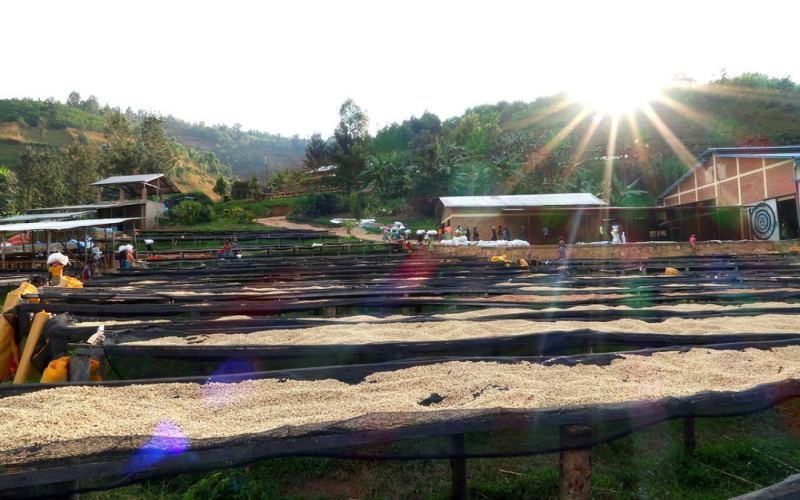
As one of Africa's three coffee giants, Tanzania is known for its washed beans with soft acidity, red wine notes, and blackcurrant-like aromas. This article reviews the cultivation history, main growing regions, and processing methods of Tanzanian coffee, compares its style with Kenyan coffee, and introduces the brewing parameters and flavor performance of Front Street Coffee's Tanzanian coffee, giving you a comprehensive look at the charm of this East African origin. [more…]

Ecuador, the Equatorial Country: A Complete Analysis of the Terroir and Flavor of High-Altitude Organic Coffee Regions
Among the many coffee-producing countries in South America, Ecuador is often overlooked, yet it possesses ideal conditions for growing specialty coffee, such as low latitude, high altitude, and volcanic ash soil. In this article, Front Street will take you through the coffee-growing history and recent revival of this equatorial country, the terroir characteristics of major producing regions such as Loja, the Galápagos Islands, and the Intag Valley, as well as the flavor expressions brought by washed processing and varieties like Bourbon and Typica—juicy and complex, with jammy sweetness and yellow fruit notes. We also include Front Street's roasting and brewing suggestions, so you can fully appreciate the potential and charm of Ecuadorian organic coffee beans. [more…]